
Why Your Uterus Pushes Embryos Out: Understanding Hyperperistalsis and Implantation Failure
Experiencing an unsuccessful IVF cycle can be incredibly heartbreaking, especially when you have high-quality embryos and a perfectly prepared uterine lining. For many patients facing recurrent implantation failure (RIF), the question is always: “What went wrong?”
While genetics and embryo quality are often discussed, there is a hidden physical factor that is frequently overlooked: an erratic, overly active uterus that literally pushes the embryo out before it has the chance to implant.
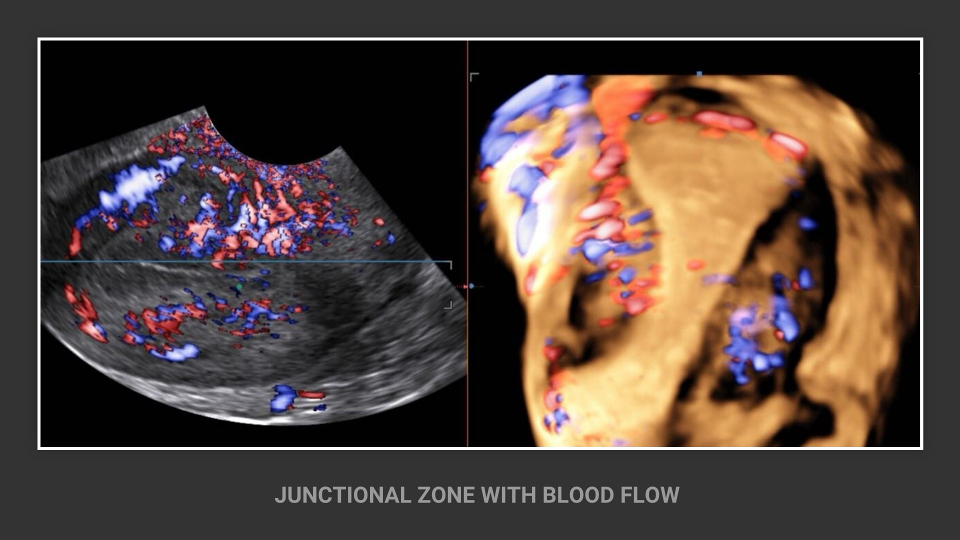
In reproductive medicine, we call this uterine hyperperistalsis – an overactivity of the junctional zone. Here is everything you need to know about this condition and how we approach it at Krishna IVF.
What is the Junctional Zone?
To understand hyperperistalsis, we first need to look at the anatomy of the uterus. The uterus is made of different layers. The innermost lining where the embryo implants is the endometrium, and the thick muscular wall is the myometrium.
The boundary where these two layers meet is called the junctional zone. This highly specialized zone acts like the control center for uterine contractions.
The Wave-Like Motions of the Uterus
It is completely normal for the uterus to have subtle, wave-like contractions (peristalsis). During a natural menstrual cycle, these microscopic waves help guide sperm up toward the fallopian tubes. After ovulation, these waves naturally slow down, creating a calm, quiet, and peaceful environment so a fertilized embryo can gently attach to the lining.
However, for some women, this “quiet phase” never happens.
What is Hyperperistalsis?
In patients with hyperperistalsis, the junctional zone becomes erratic and hyperactive. Instead of resting, the uterine muscles undergo intense, frequent, and uncoordinated contractions.
When an embryo is transferred into this turbulent environment, the physical movement acts as a hostile force. The continuous spasms prevent the embryo from making a stable connection with the endometrial lining, and in many cases, the physical contractions physically reject or expel the embryo out of the uterine cavity.
What Causes an Overactive Uterus?
An erratic junctional zone doesn’t happen without reason. It is most commonly associated with underlying inflammatory or structural conditions, including:
- Adenomyosis: A condition where the tissue that lines the uterus grows deep into the muscular wall, severely thickening and irritating the junctional zone.
- Endometriosis: Chronic pelvic inflammation that triggers systemic uterine hyperactivity.
- Fibroids: Certain types of fibroids can disrupt the normal architecture and function of the uterine muscle.
- Chronic Inflammation: Infections or autoimmune responses that keep the uterine environment on high alert.
How We Can Help at Krishna IVF
If you have experienced unexplained IVF failures, it is vital to look beyond just the embryo. At Krishna IVF, our approach to an overactive junctional zone includes:
- Advanced Diagnostic Imaging: We utilize advanced 3D ultrasound and MRI technologies to carefully evaluate the thickness and activity of the junctional zone, looking for hidden signs of adenomyosis or hyperactivity.
- Calming the Uterus: If hyperperistalsis is detected, we do not proceed with an embryo transfer until the environment is optimal. We use specialized medical protocols—such as GnRH agonists or specific smooth-muscle relaxants—to temporarily suppress the erratic contractions.
- Frozen Embryo Transfers (FET): Uterine hyperactivity can sometimes be triggered by the high hormone levels associated with ovarian stimulation. Utilizing a frozen embryo transfer allows us to wait for a natural, unmedicated, or perfectly controlled cycle where the uterus is completely at rest.
Moving Forward with Hope
Implantation failure is devastating, but understanding why it happens is the first step toward overcoming it. An overly active junctional zone is a physical barrier, but with the right diagnosis and targeted treatment, we can quiet the storm and create the peaceful environment your embryo needs to thrive.
If you are struggling with repeated implantation failures, we are here to help. Schedule a consultation with our fertility experts at Krishna IVF Clinic today to discuss personalized diagnostic testing and tailored transfer protocols.