
CFTR Genetic Testing
The cystic fibrosis transmembrane conductance regulator (CFTR) gene is located on chromosome 7 and plays an important role in ion transport and fluid regulation within different tissues of the body.
Mutations or variants involving the CFTR gene are associated with cystic fibrosis and selected cystic fibrosis-related disorders. In reproductive medicine, certain CFTR gene variants may be associated with male infertility conditions including congenital bilateral absence of the vas deferens (CBAVD) and selected forms of obstructive azoospermia.
CFTR gene variants may additionally be identified in selected men with oligospermia, reduced sperm motility, abnormal sperm morphology, or other male reproductive concerns depending on the clinical condition and associated findings.
The CFTR protein is involved in cellular pathways associated with reproductive tract physiology, sperm maturation, and selected processes related to sperm function and capacitation.
In selected clinical situations, abnormalities involving the CFTR gene may also influence female reproductive tract physiology and reproductive outcomes, although the clinical significance may vary between individuals.
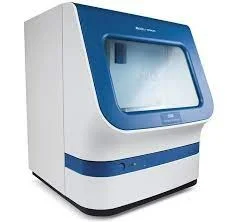
CFTR genetic testing is generally performed using molecular diagnostic techniques to identify selected mutations or variants associated with reproductive and genetic conditions.
CFTR testing may be considered in selected clinical situations including obstructive azoospermia, congenital absence of vas deferens, severe male infertility, recurrent reproductive concerns, or reproductive genetic evaluation workflows depending on clinical assessment.
Genetic counseling and reproductive evaluation may additionally be advised in selected individuals or couples undergoing CFTR-related reproductive assessment.
CFTR genetic testing at Krishna IVF forms part of broader reproductive genetics, molecular diagnostics, male infertility evaluation, and individualized reproductive medicine workflows.