
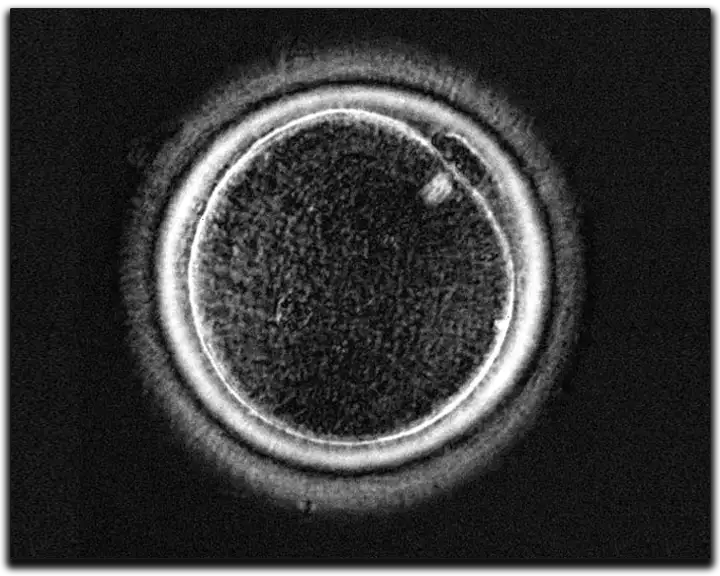
PolScope is a microscopy based imaging technique used to visualize the meiotic spindle in oocytes prior to sperm injection. It is a technology-assisted assessment tool used in embryology laboratories as part of reproductive treatment workflows.

Controlled ovarian stimulation is used in assisted reproductive procedures such as IUI, IVF and ICSI. Fertility medications are used to stimulate the ovaries to support development of multiple follicles as part of assisted reproductive treatment protocols.

VIDAS is a fully automated immunoassay system based on the proven and robust Enzyme Linked Fluorescent Assay technology that makes VIDAS a widely used automated immunoassay platform, for high quality on-demand blood tests and hormone assays.

Intracytoplasmic Sperm Injection refers to a technique in which a single sperm is injected directly into the cytoplasm of a mature oocyte. ICSI is commonly used in selected cases of male infertility and assisted reproductive treatment.
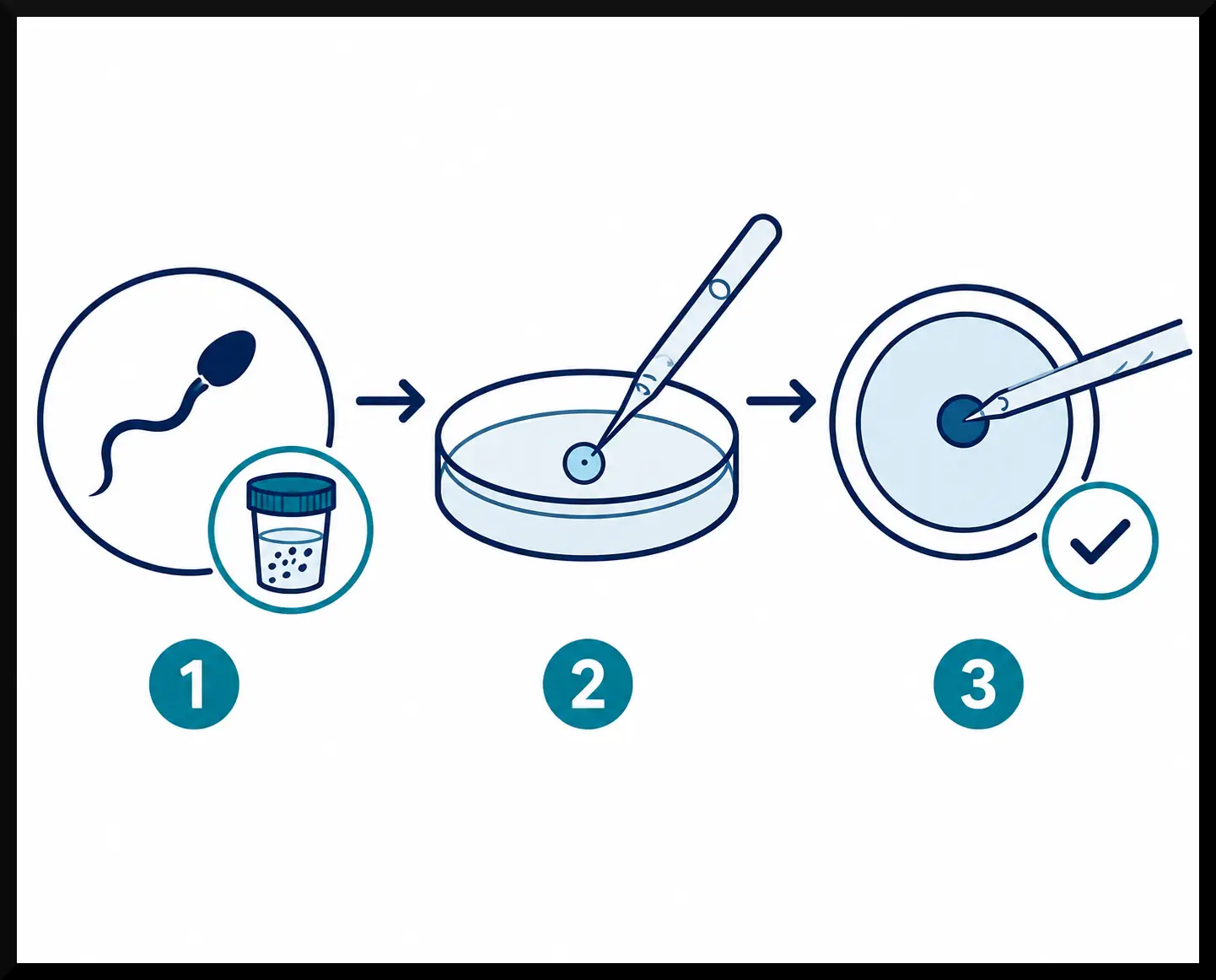
TESE–ICSI combines surgical sperm retrieval with intracytoplasmic sperm injection. In selected cases of azoospermia, surgically retrieved sperm may be used for fertilization during assisted reproductive treatment.
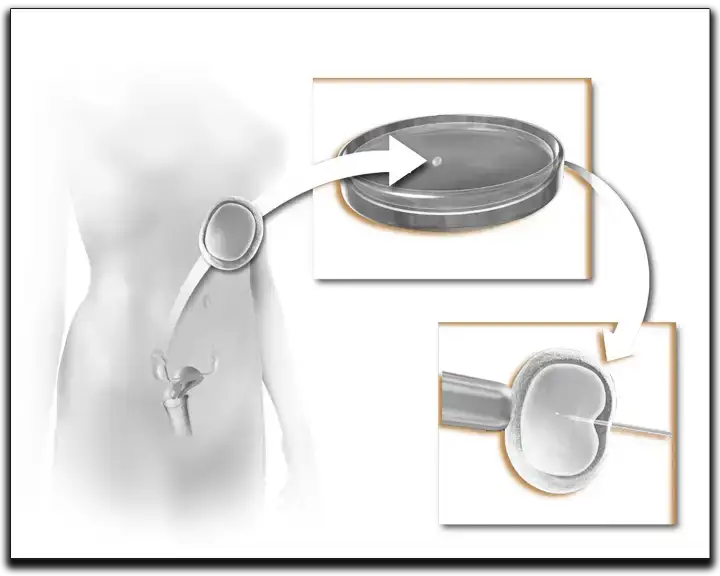
IVF is a process of stimulating the ovaries with a combination of fertility medications and retrieving eggs from ovarian follicles. After fertilizing the oocytes in the laboratory, the embryos are transferred into the uterine cavity.

Preimplantation Genetic Testing (PGT) involves genetic analysis of embryos before transfer. The technique may be used in selected situations involving hereditary disorders, chromosomal abnormalities, or reproductive planning.

Ultrasound-guided embryo transfer is the process of placing embryos within the uterine cavity using ultrasound imaging guidance during assisted reproductive treatment procedures and cycles.

Krishna IVF Clinic established its genetics department in 2005 and provides cytogenetic and molecular genetic diagnostic services relevant to reproductive medicine, infertility evaluation and reproductive planning.
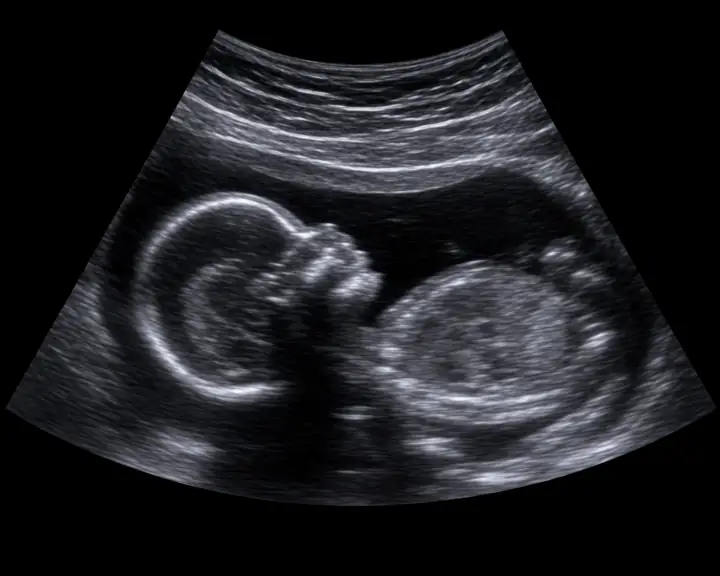
Obstetrics is the field of study concentrated on pregnancy, childbirth and the postpartum period. Obstetrics deals with pregnancy, its associated procedures and complications. Obstetricians provides care for the fetus and mother.
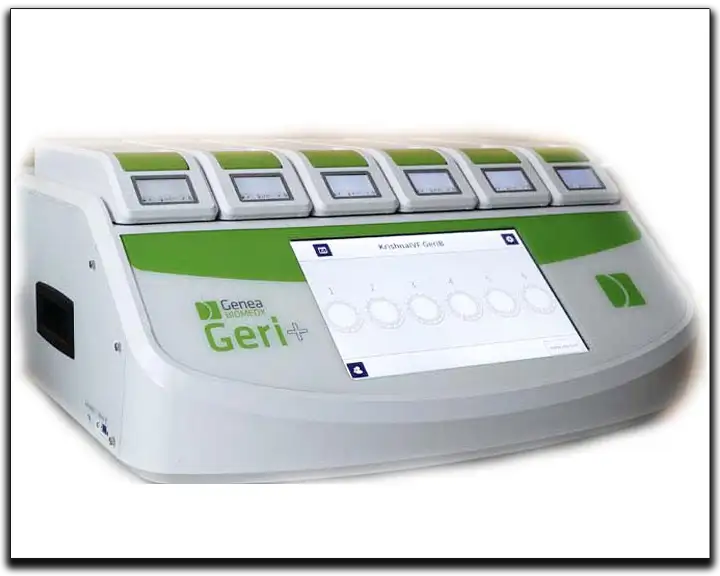
Time-lapse monitoring allows continuous evaluation of embryo development without removing embryos from the incubator. Geri is a time-lapse embryo culture system used in modern assisted reproduction laboratories.

Metabolomics is the large-scale study of small molecules, known as metabolites, within cells, biofluids, tissues or organisms. It is an emerging field and is defined as the comprehensive measurement of all metabolites in a biological specimen.
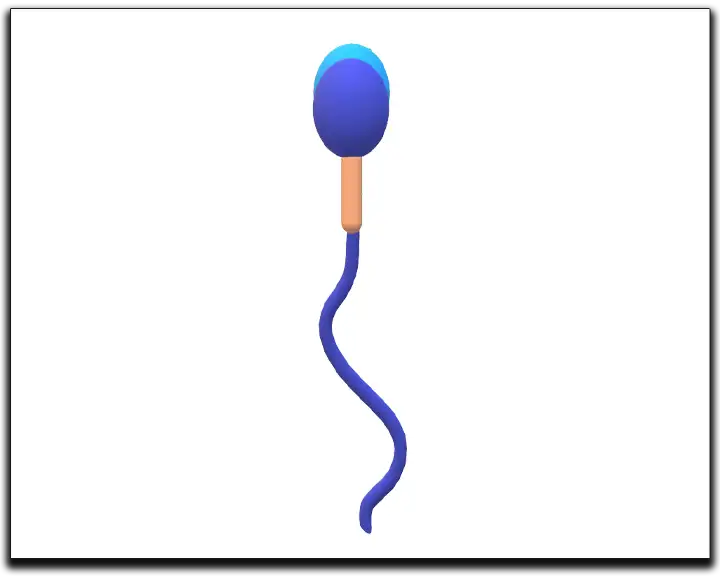
Intracytoplasmic morphologically selected sperm injection (IMSI) is a sperm selection method used in ICSI. The technique involves using a microscope to view sperm under very high magnification which allows to view detailed images of sperm.

IVF failure analysis involves systematic evaluation of clinical, embryological, genetic, uterine, and male factor variables that may influence assisted reproductive treatment outcomes and planning.

Assisted hatching is a laboratory technique that involves controlled thinning or opening of the zona pellucida in selected assisted reproductive treatment situations and clinical scenarios.

Recurrent pregnancy loss analysis involves evaluation of genetic, anatomical, hormonal, immunological, and male factor contributors associated with repeated pregnancy loss and reproductive outcomes.
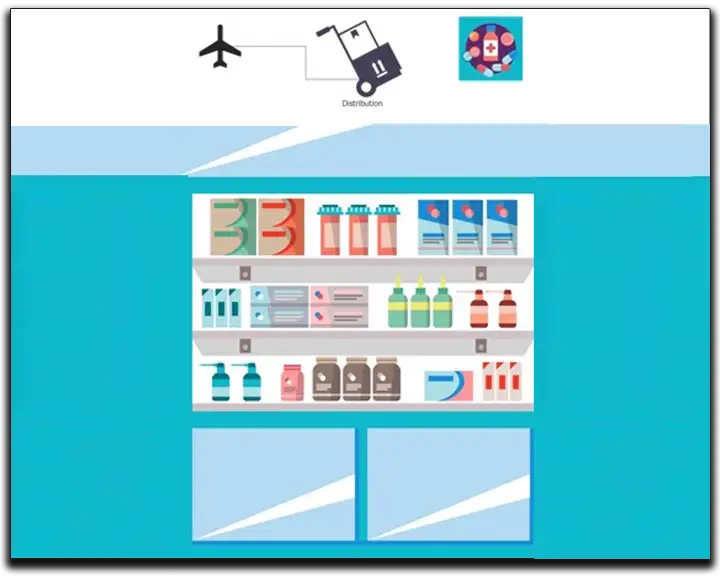
Cold chain management involves controlled storage and transportation systems designed to maintain temperature-sensitive reproductive medicines, biological materials, and laboratory supplies.
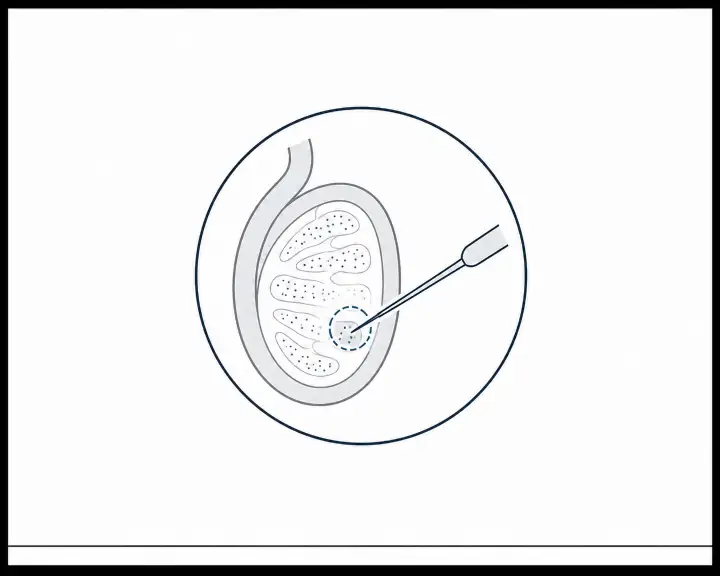
Testicular Sperm Extraction (TESE) is a surgical sperm retrieval procedure performed in selected cases of azoospermia, where sperm are absent in semen. Retrieved sperm may be used as part of assisted reproductive treatment.