
Medical Management of Ectopic Pregnancy
An ectopic pregnancy occurs when a fertilized egg implants outside the uterine cavity, most commonly within the fallopian tube. Ectopic pregnancy is a serious medical condition that requires timely diagnosis, monitoring, and appropriate clinical management.
Evaluation of suspected ectopic pregnancy may include clinical examination, blood investigations including serum human chorionic gonadotropin (hCG) levels, and transvaginal ultrasound assessment.
Management of ectopic pregnancy depends on multiple clinical factors including symptoms, ultrasound findings, hCG levels, hemodynamic stability, and overall patient condition.
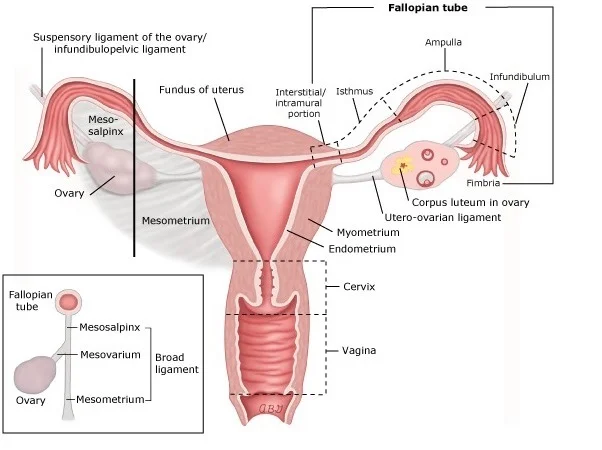
In selected clinically stable patients, medical management using methotrexate (MTX) may be considered under appropriate medical supervision and follow-up protocols. Careful monitoring using serial blood investigations and ultrasound evaluation is generally required during treatment and follow-up.
In selected situations, expectant management with observation and serial monitoring may also be considered where clinically appropriate.
Surgical management may be required in patients with significant symptoms, internal bleeding, rupture risk, or clinical instability.
Individualized evaluation and timely medical consultation are important in the diagnosis and management of ectopic pregnancy.