

Male infertility evaluation begins with reproductive history, physical examination, semen analysis, hormonal assessment, reproductive imaging and selected investigations depending on the clinical condition.
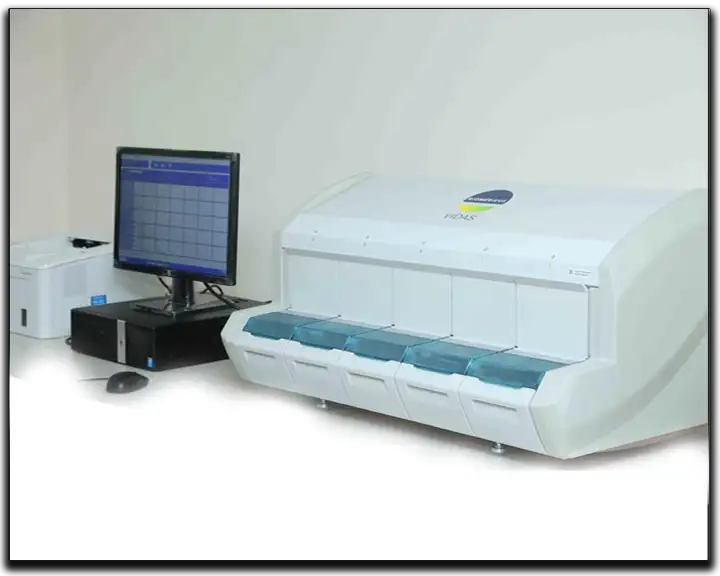
Female infertility evaluation includes reproductive history, clinical examination, pelvic ultrasound imaging, ovarian reserve assessment and selected investigations related to reproductive health and fertility evaluation.

Ultrasound imaging is utilized in reproductive medicine for evaluation of uterine anatomy, ovarian morphology, follicular development, blood flow assessment and selected reproductive conditions at Krishna IVF.

Computer Assisted Semen Analysis (CASA) is utilized for assessment of sperm concentration, motility, morphology, kinematic parameters and selected semen analysis workflows during male infertility evaluation.
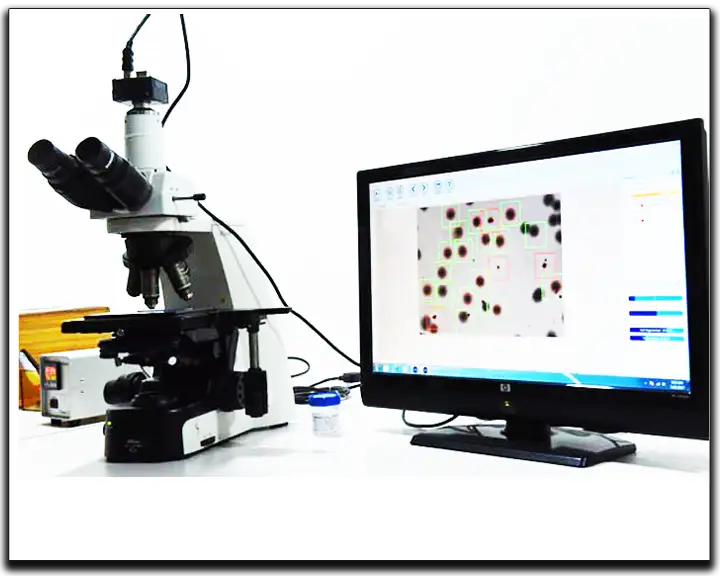
DNA Fragmentation studies may assist evaluation of sperm DNA integrity, sperm chromatin structure and selected male infertility conditions during advanced reproductive assessment workflows.

Hysterosalpingography (HSG) is an imaging-based tubal patency assessment utilized for evaluation of the uterine cavity and fallopian tubes during selected fertility evaluations.

Laparoscopy is a minimally invasive endoscopic procedure utilized for evaluation and management of selected gynecological and reproductive conditions affecting fertility and pelvic health.

Hysteroscopy is an endoscopic uterine cavity evaluation procedure utilized for assessment of the endometrial cavity and selected intrauterine abnormalities in reproductive medicine workflows.
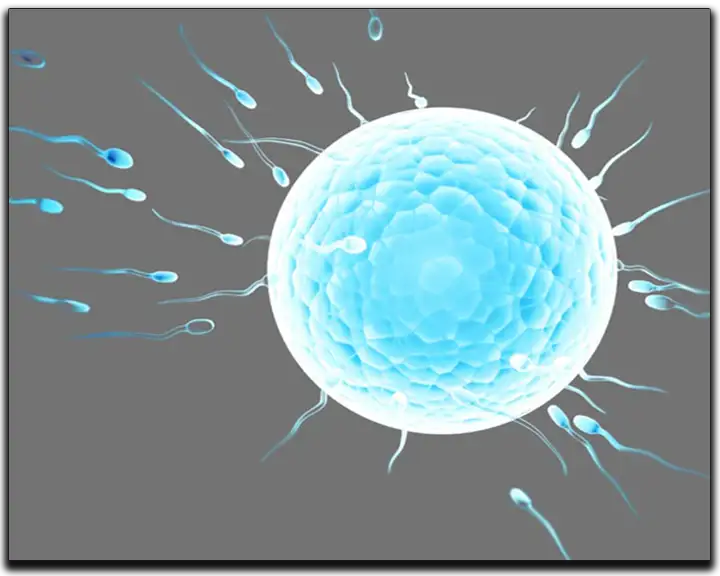
Medical Ovulation Induction (OI) involves the use of fertility medications for ovulation monitoring, follicular development and reproductive treatment planning in selected fertility protocols.
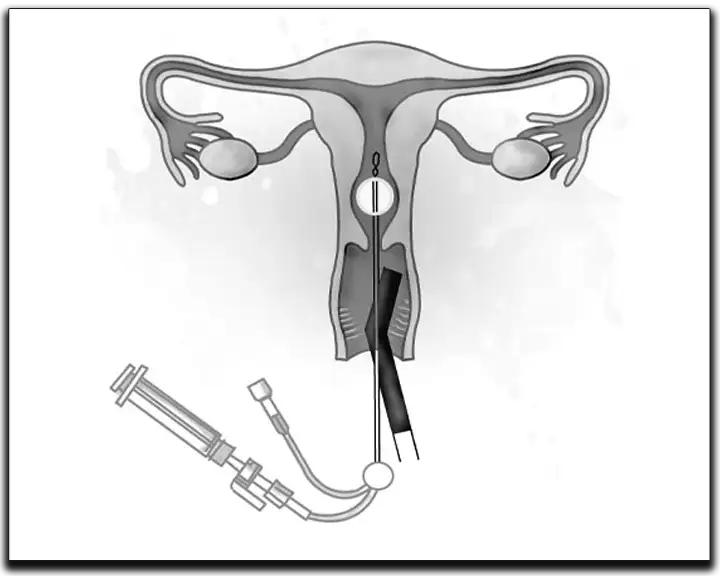
Intrauterine Insemination (IUI) is a reproductive treatment procedure in which processed sperm is placed inside the uterine cavity during the ovulatory period.

Electronic Health Records (EHR) are utilized at Krishna IVF to support clinical documentation, continuity of care, reproductive tracking and barcode-based patient identification workflows.

Krishna IVF participates in External Quality Assurance Schemes in Reproductive Medicine (EQASRM) related to laboratory quality assessment in andrology and embryology workflows since 2012.