
Controlled Ovarian Stimulation
Controlled ovarian stimulation is used as part of assisted reproductive procedures such as IUI, IVF, and ICSI. In this process, medications are used to stimulate the ovaries to support the development of multiple follicles as part of assisted reproductive treatment protocols.
Different protocols are available for controlled ovarian stimulation, and treatment approaches may vary based on individual clinical assessment and institutional protocols. Evidence-based ovarian stimulation protocols are followed at Krishna IVF.
Protocols are broadly classified into agonist and antagonist protocols depending on the medications used for ovarian stimulation. Selection of an appropriate protocol is individualized based on clinical and reproductive factors.
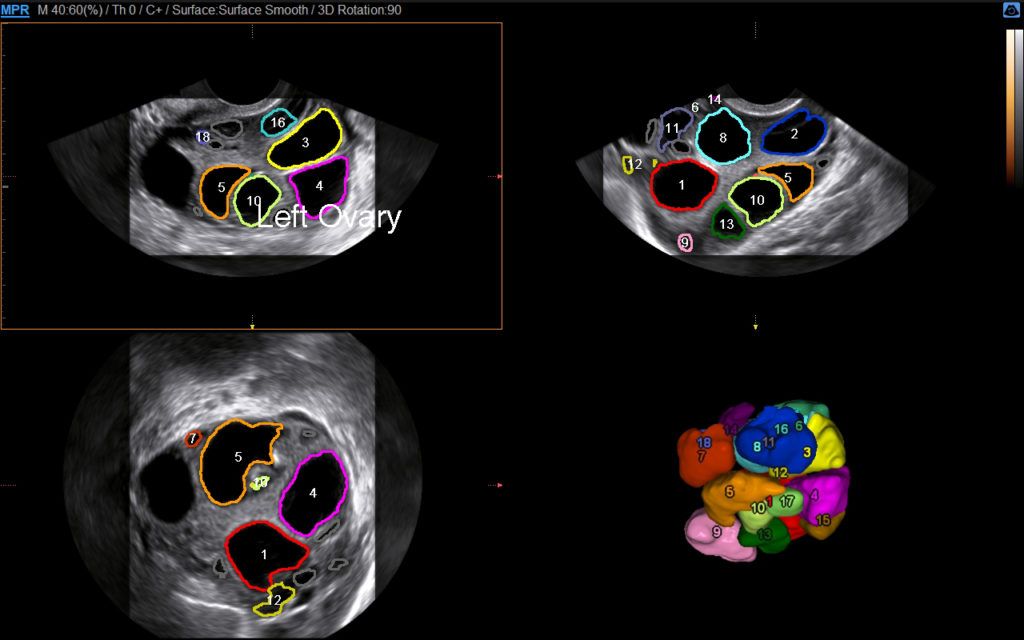
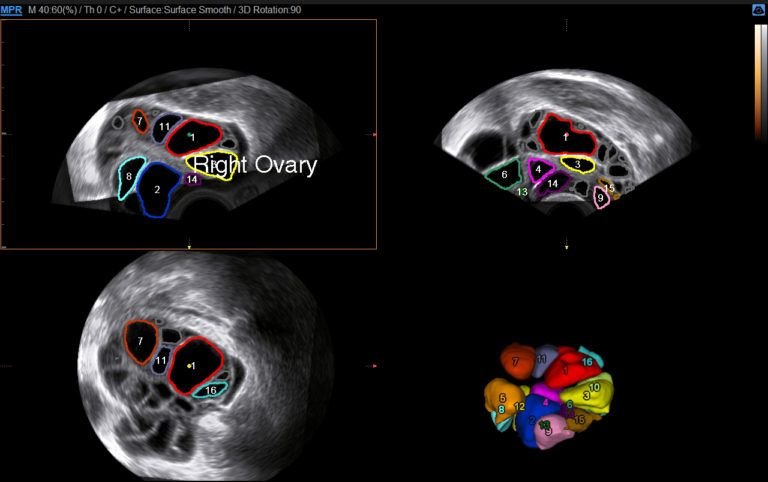
A long GnRH agonist protocol is followed at Krishna IVF.
Recombinant gonadotropins are used as part of controlled ovarian stimulation protocols. Individualization of medication dosage is an important component of ovarian stimulation planning to support appropriate follicular response during assisted reproductive treatment.
Excessive ovarian response to stimulation medications may lead to ovarian hyperstimulation syndrome (OHSS), a recognized complication associated with assisted reproductive procedures.
Prof. Dr. G.A. Rama Raju is the author of the book Individualized Controlled Ovarian Stimulation published in 2016. His doctoral research in Biotechnology focused on LHCGR gene polymorphism and individualized ovarian stimulation approaches in reproductive medicine.
Controlled ovarian stimulation protocols at Krishna IVF are individualized based on clinical assessment, ovarian reserve evaluation, and patient-specific reproductive factors.