
Management of Twin Pregnancies
Multiple pregnancy, including twin gestation, may occur naturally or following fertility treatments and assisted reproductive technology (ART) procedures such as In Vitro Fertilization (IVF).
Twin and higher-order pregnancies may be associated with increased maternal, fetal, and neonatal risks when compared with singleton pregnancies. Maternal complications may include hypertension, preeclampsia, gestational diabetes, anemia, excessive nausea and vomiting, cholestasis, placental abnormalities, and increased likelihood of preterm labor and delivery.
Fetal and neonatal complications associated with multiple pregnancies are frequently related to prematurity, low birth weight, fetal growth-related concerns, and the need for neonatal monitoring or intensive newborn care depending on gestational age and clinical condition.
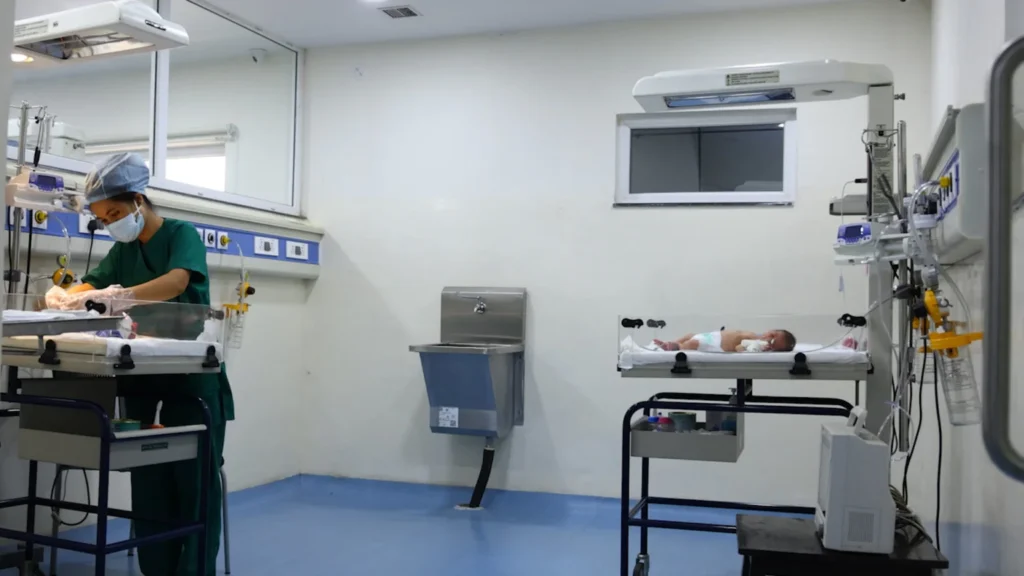
Management of twin pregnancies may involve regular obstetric evaluation, ultrasound monitoring, fetal growth assessment, cervical length evaluation, nutritional counseling, laboratory investigations, and individualized pregnancy monitoring depending on maternal and fetal conditions.
In selected clinical situations associated with increased risk of preterm birth, additional monitoring or preventive interventions including cervical cerclage may be considered following obstetric assessment and clinical indications.
Management of twin pregnancies at Krishna IVF forms part of broader high-risk obstetrics, fetal monitoring, neonatal care, and individualized maternal-fetal medicine workflows.