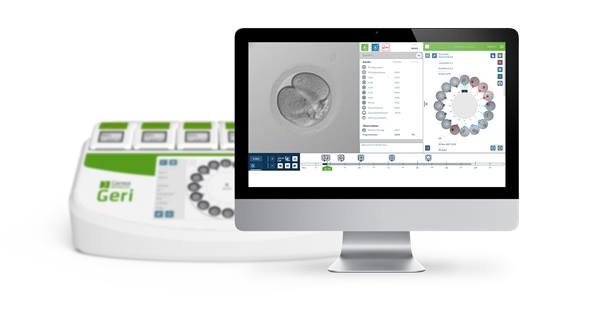
AI time-lapse embryo models now predict both clinical pregnancy and ploidy signals
A 2026 Scientific Reports study developed spatiotemporal CNN models using time-lapse embryo videos plus maternal age. The pregnancy model reached an AUROC of 0.746 on external testing; the ploidy model reached an AUROC of 0.759 externally. This is clinically relevant because the model attempts non-invasive prioritization of embryos using dynamic developmental data rather than only static morphology. (Nature)
Clinical implication: Useful as a decision-support layer for ranking embryos when multiple good-quality embryos exist, but not a replacement for embryologist grading or PGT-A.
Limitations: Retrospective design, Japanese datasets, modest external sample sizes, and outcome labels dependent on clinical pregnancy/PGT-A classification.
The infrastructure for this technology is already integrated into practice at Krishna IVF since 2021