
The New Standard of Hope: Inside the ASRM 2026 Guidelines for Fertility Preservationre
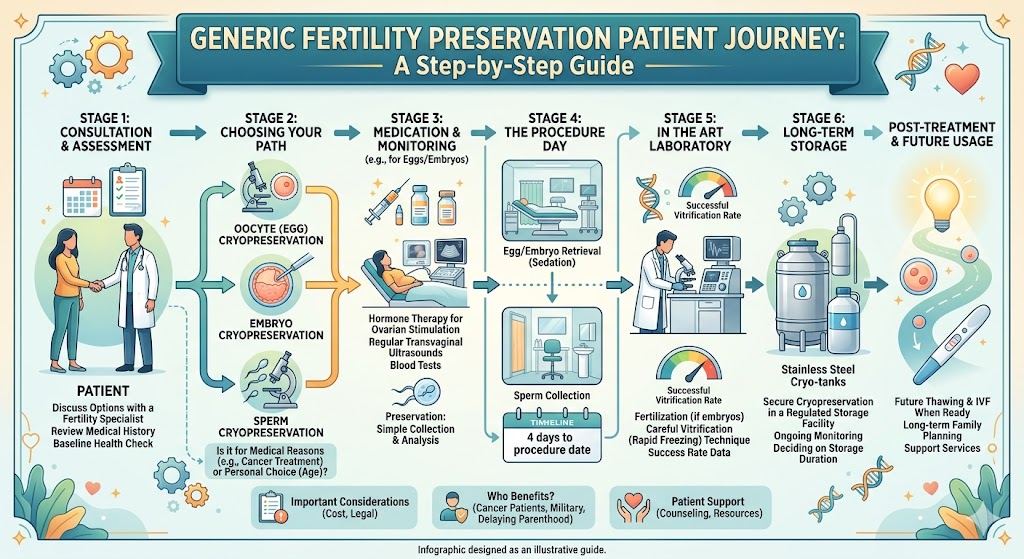
A complex medical diagnosis—whether it involves cancer, the need for gonadotoxic therapy, or a high risk of premature ovarian insufficiency (POI)—is one of the most overwhelming challenges a person can face. In the midst of navigating treatments and survival, the dream of building a family can suddenly feel out of reach. But thanks to the latest advancements in reproductive medicine, those dreams can be protected.
The American Society for Reproductive Medicine (ASRM) has officially released its 2026 committee opinion on fertility preservation, replacing the previous 2019 guidelines. This updated framework sends a clear, powerful message: comprehensive fertility preservation programs, rapid referral systems, and robust financial navigation are no longer optional—they are absolute core standards of care.
What Are the Established Strategies? The 2026 guidelines provide clarity on which preservation methods are fully established and highly successful. For patients facing gonadotoxic therapy or gonadectomy, time is of the essence. The ASRM recognizes the following as proven strategies to safeguard future fertility:
- Embryo and mature oocyte (egg) cryopreservation.
- Ovarian tissue freezing.
- Sperm cryopreservation.
- Selected conservative surgical options designed to protect reproductive organs.
Note: The ASRM notes that while great strides have been made, testicular tissue cryopreservation in prepubertal boys remains an investigational procedure at this time.
Clinical Implications: Building the Urgent Pathway For IVF centers and healthcare providers, the 2026 opinion acts as a critical blueprint. It is no longer enough to simply offer fertility preservation; clinics must proactively remove the friction from the process.
The ASRM stresses that clinics must formalize an integrated “oncofertility” or medical-fertility-preservation pathway. This involves implementing same-day referrals to ensure no time is lost before a patient begins chemotherapy or radiation. Clinics are now expected to reserve emergency stimulation slots to expedite the IVF process, streamline consent and disposition documentation, and maintain strict cryostorage governance.
Furthermore, financial counseling is now recognized as a vital clinical pillar. The anxiety of a medical diagnosis should not be compounded by the confusion of navigating insurance coverage and out-of-pocket costs. Clinics must provide dedicated financial navigators to help patients understand their options quickly and clearly.
Overcoming Implementation Barriers While the guidelines offer a beacon of hope, we must acknowledge the road ahead. The ASRM outlines several ongoing limitations that the global medical community must work together to overcome.
Particularly in the APAC (Asia-Pacific) region, local access to advanced reproductive technologies remains a hurdle. High out-of-pocket costs, lack of comprehensive insurance coverage, complex pediatric consent laws, safe tissue transport, and long-term storage policies continue to act as major implementation barriers. Bridging this gap will require ongoing advocacy, policy changes, and collaborative global healthcare initiatives.
Your Journey Starts Here Hope blooms when we combine rapid medical action with deep, compassionate care. If you or a loved one are facing a medical treatment that may impact your fertility, know that there are established, urgent pathways designed specifically to protect your future family.